Choosing roses seems easy until you wonder what each colour says. Are red ones always romantic? Are yellow ones about friendship or jealousy? Is there such a thing as a blue rose? This guide goes through what each colour is usually associated with, what is convention and what is legend, and how many roses people tend to give. One note first: the meanings of flowers are cultural conventions, not rules, and they vary between countries and eras. If you are new to Uruguay or sending flowers from abroad, what counts most is always the gesture and the card that goes with it.
Red roses: meaning
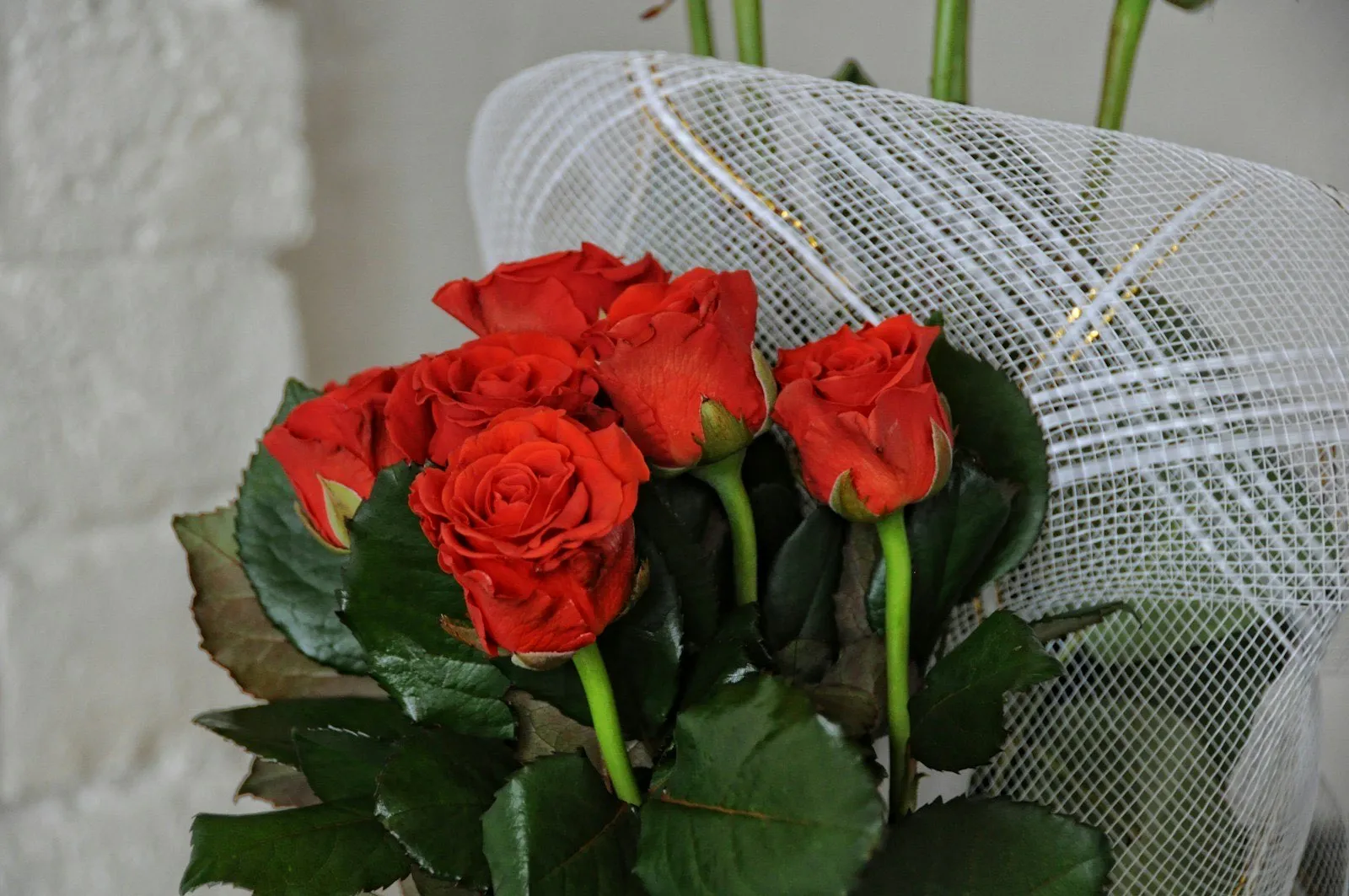
Red roses are the best-known symbol of romantic love and passion. A bouquet of red roses is usually read as a declaration, an anniversary or a plain “I love you”. That is why they are so common on Valentine’s Day and easy to misread: if you want to give roses to someone you are not in a relationship with, another colour avoids confusion.
Common variations: bright red speaks of passion; deep red or burgundy of a deeper, calmer love. A single red rose is a simple, direct gesture; a dozen is the classic.
Pink roses: meaning
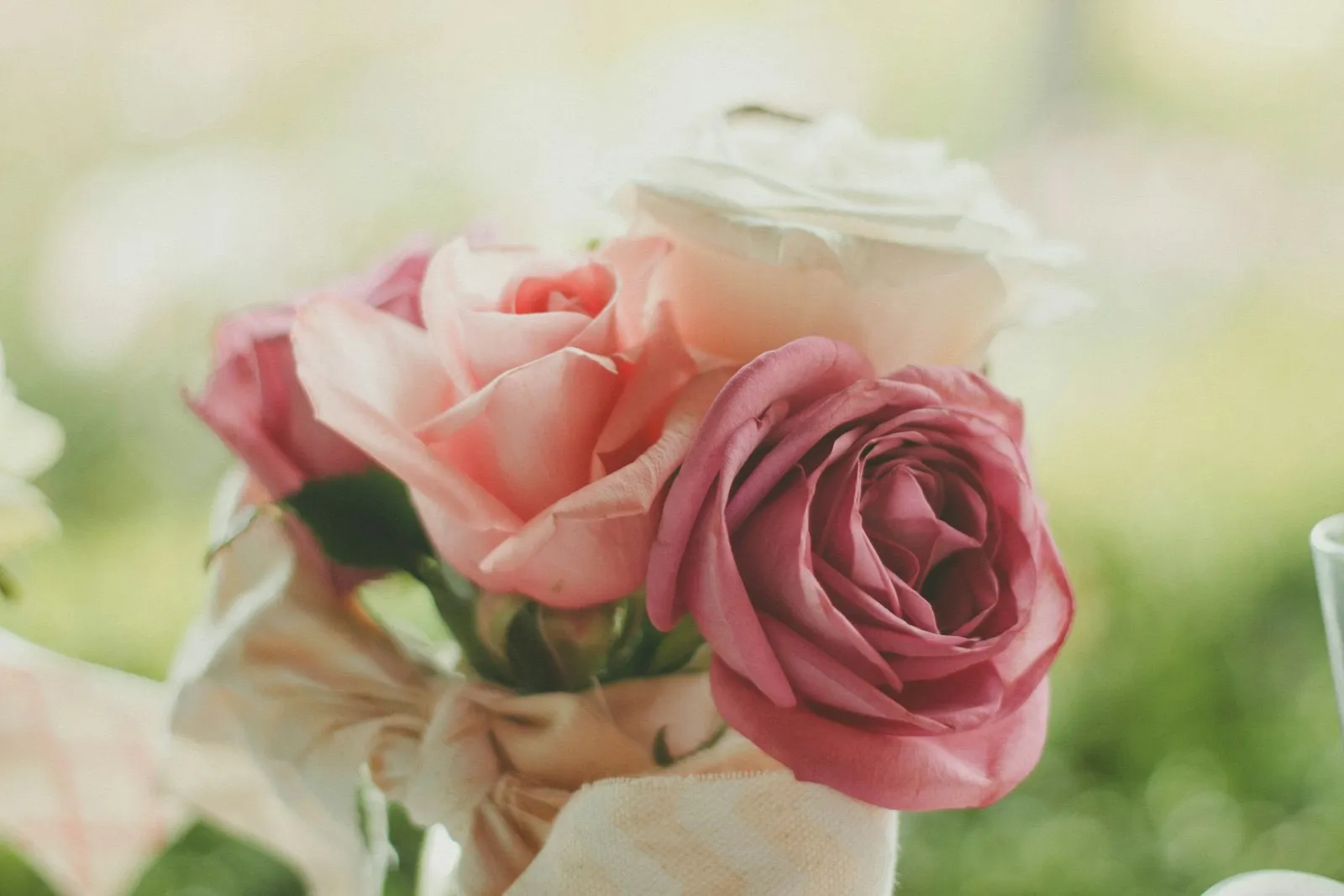
Pink roses speak of affection, gratitude, admiration and tenderness. They are softer than red and more versatile: good for birthdays, to say thank you, for a mother, a sister, a friend or a partner when you want something delicate.
A quick guide to shades:
- Pale pink: sweetness, delicacy.
- Bright pink or fuchsia: gratitude and admiration, with more energy.
- Dusty pink: a more romantic, nostalgic feel.
Yellow roses: meaning
Today the yellow rose is associated with friendship, joy and warmth. It is the flower to pick when you mean “I am glad you are part of my life” without entering romantic territory. Historically, in some countries it was linked with jealousy or infidelity, but that is an old meaning that is hardly used now. In Uruguay it is very common to give yellow flowers on 21 September, which we explain in the guide to yellow flowers on 21 September.
White roses: meaning
White roses are associated with purity, simplicity and new beginnings. They are widely used at weddings, christenings and to accompany or say goodbye to someone, because they convey respect and calm. They also work as a thank-you or a reconciliation: a white bouquet says “let’s start again” very gently.
Blue roses: natural or dyed
An important clarification: pure blue roses do not exist in nature, because roses lack the pigment needed for that colour. The blue roses you see in florists are usually white roses that have been dyed, and varieties sold as “blue” are in fact lilac or mauve, obtained by breeding or genetic engineering.
Symbolically, the blue rose has been linked with the impossible, the mysterious or the extraordinary. If you want to give them, it helps to know the colour comes from a dye; that is not a flaw, just an aesthetic choice.
Orange roses: meaning
Orange roses combine the passion of red with the joy of yellow: they are associated with enthusiasm, energy and desire. They suit someone who wants to give something lively and different, such as celebrating an achievement, a new job or a time of change.
Other colours you will see
- Lilac or mauve: admiration, fascination, something different and special.
- Peach or salmon: gratitude and warmth, in an elegant tone.
- Bicolour: they mix meanings; they are usually chosen for visual effect.
How many roses should you give?
There is no universal rule, but some customs are widespread:
- One rose: a simple, elegant gesture. It works as a surprise.
- Three roses: an amount often chosen for a small, thoughtful gift.
- Six roses: half a dozen, a medium bouquet that is easy to carry.
- A dozen (12 roses): the classic bouquet. It is the amount most linked with love and important dates.
- Two dozen (24) or more: for a big gesture, such as an anniversary or a special celebration.
People often say that more roses mean more intensity, but what really counts is the occasion and the budget. A single rose chosen with intention can say more than a big bouquet with no card.
How to choose by person and occasion
If you are unsure, these ideas help:
- Partner: red, or pink if you prefer something more delicate.
- Mother, grandmother, sister: pink, white or mixed.
- Friend or colleague: yellow, orange or pink.
- Thank-you: pink or peach.
- Condolences or respect: white.
- Celebration or achievement: orange, yellow or a mix of colours.
How to care for your roses
Cut the stems at an angle, use a clean vase and change the water every two days. Remove leaves that would sit under water and keep the bouquet away from direct sun, heaters and ripening fruit. With that, fresh roses usually last several days. And if you want something that lasts far longer without water, see the guide to eternal roses.
Order your rose bouquet in Montevideo
Klumba Flores opens soon in Montevideo and rose bouquets will be among the first things you can order, with delivery to your door and a card with your message. We have no products or prices published yet, but you can leave your contact and we will tell you when we open. If you are abroad and want to send flowers to someone here, the plan is the same: order online and we deliver. Meanwhile, see what our rose bouquets in Montevideo will be like.
In short
Red for love, pink for affection, yellow for friendship, white for purity, orange for enthusiasm. Natural blue roses do not exist: they are dyed. One rose, half a dozen or a dozen: choose by occasion and add a few words of your own.
If you want to see the options we will offer, visit the page for rose bouquets in Montevideo.