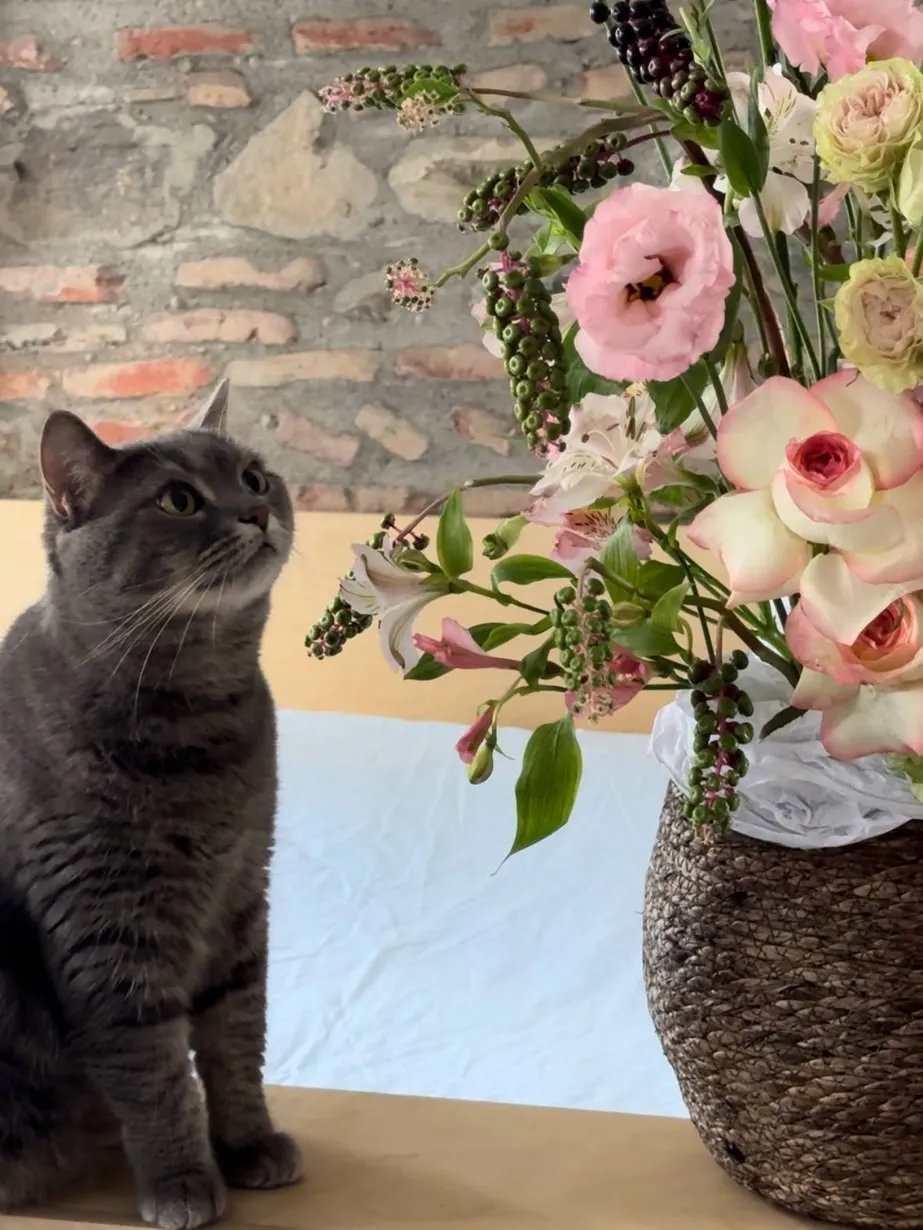
A bouquet at home is a joy, but if you live with a cat or a dog it is worth knowing which flowers can harm them. This guide covers the common bouquet flowers that are toxic to cats and dogs, safer options and, at the end, flowers that cause fewer allergies in people.
This guide is for information only and does not replace a vet. If you think your pet has eaten a plant, call your vet right away.
The most dangerous: lilies
Lilies (Lilium, such as oriental and Asiatic lilies) and daylilies (Hemerocallis) are the most dangerous flowers for cats. Every part of the plant is toxic: petals, leaves, pollen and even the vase water. A very small amount can cause severe kidney failure. Early signs are usually vomiting, loss of appetite and lethargy.
In dogs, lilies usually cause stomach upset, but for cats the risk is serious. If you have a cat, the advice is simple: do not keep lilies at home. When you order a bouquet for someone with cats, tell us and we will make it without lilies.
Other bouquet flowers best avoided
These are common at florists and can cause anything from mild upset to more serious problems if a pet eats them:
- Tulips and hyacinths: the bulb is the most toxic part, but leaves and flowers also irritate the mouth and stomach.
- Daffodils: vomiting, drooling and diarrhoea; the bulb is the most dangerous part.
- Chrysanthemums and daisies (including feverfew): stomach and skin irritation.
- Hydrangeas: vomiting and diarrhoea if leaves or flowers are chewed.
- Carnations: mild stomach upset and dermatitis.
- Eucalyptus: a popular foliage; can cause vomiting and drooling.
- Baby’s breath: mild stomach upset.
- Peonies: stomach upset, especially from the bark and roots.
- Amaryllis and azaleas: can be quite toxic; best avoided.
Safer flowers for homes with pets
No plant is meant to be eaten, but these are considered non-toxic to cats and dogs on the most widely used veterinary lists:
- Roses, with the thorns removed.
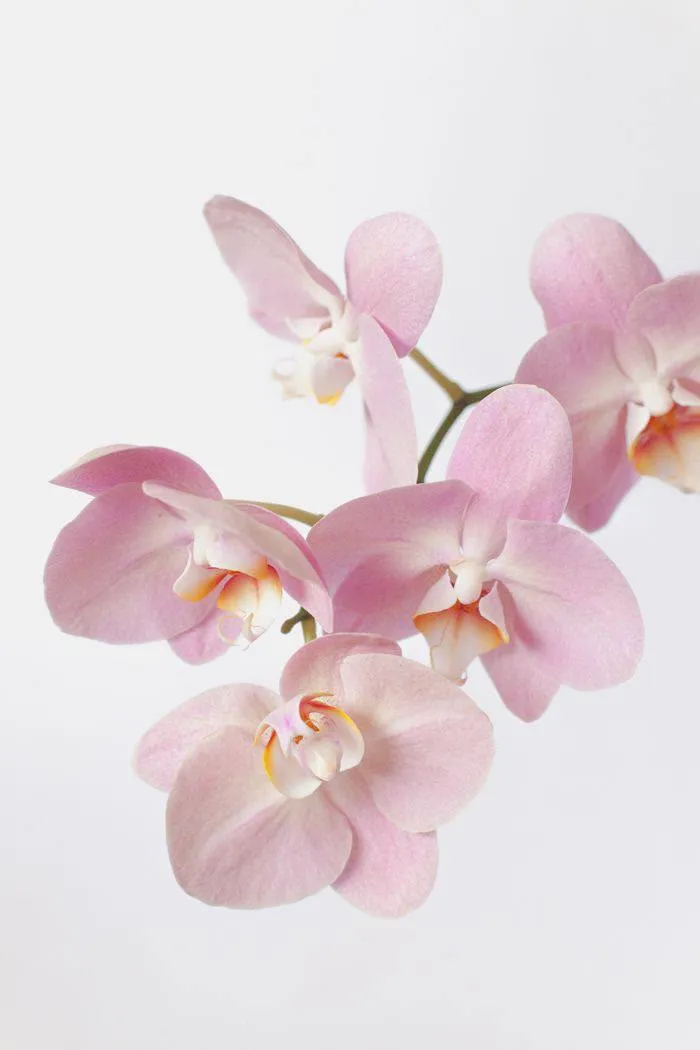
- Phalaenopsis orchids, a great potted option. See our guide to orchids: care and types.
- Sunflowers.
- Gerberas.
- Snapdragons (Antirrhinum).
- Freesias and zinnias.
Still, keep the vase out of reach and change the water often: wilting flowers and stale water are good for no one.
What to do if your pet ate a flower
- Take out whatever is left in its mouth and remove the bouquet.
- Call your vet or an emergency clinic even if there are no symptoms yet. With lilies and cats, acting fast makes the difference.
- Bring a photo or a piece of the plant so it can be identified.
- Do not induce vomiting or give home remedies without professional advice.
Flowers that cause fewer allergies
If someone at home has a pollen allergy, the type of flower matters too:
- Usually bother less: roses, orchids, hydrangeas, tulips. They release little pollen into the air.
- Usually bother more: solidago, feverfew and other daisies, chrysanthemums and pollen-heavy sunflowers.
- A lily trick: if you have them and there are no cats, pull off the anthers (the pollen tips) as soon as the flower opens. They shed less pollen and do not stain.
In short
If you have cats, avoid lilies entirely; with cats and dogs, keep tulips, daffodils, chrysanthemums and hydrangeas away. Thornless roses, orchids, sunflowers and gerberas are calmer choices. When you order, tell us about pets or allergies and we will build the bouquet around that. See options in the catalog.